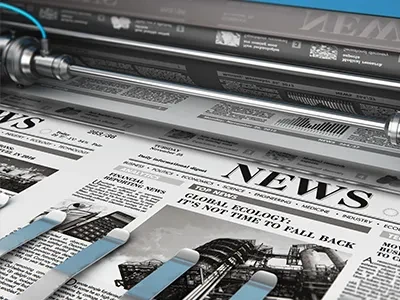
The primary function of a digital printer is to output digital images, text, or design files directly onto paper or other material surfaces, enabling the rapid and precise creation of tangible visual products. By eliminating the plate-making stage required in traditional printing, it transforms information directly from "data" into "physical objects," significantly boosting output efficiency.
At a fundamental level, digital printers serve office and document output needs, such as printing files, contracts, reports, and educational materials. These applications prioritize clarity and reliability, meeting the demands of high-frequency, standardized printing tasks, making them indispensable equipment in office environments.
The utility of digital printers extends to a wider range of applications, including advertising production, packaging prototyping, label printing, and the manufacture of personalized, custom products. Their ability to handle small-batch and diverse output allows businesses to respond quickly to market changes, reduce inventory pressure, and flexibly adjust product designs.
In industrial and creative sectors, digital printers play a crucial role in prototyping and design visualization. Designers can rapidly produce samples to verify results, thereby shortening development cycles and enhancing product R&D efficiency. Ultimately, the core function of the digital printer is to bridge the gap between digital design and physical manufacturing, making the production process more efficient, flexible, and cost-effective.